
 by FizaJabbar
The Allure of Risk and Reward
The thrill of gambling at a casino is often deeply rooted in the psychology of risk and reward. The concept of risking something of value in hopes of gaining something greater creates a potent mix of excitement and anticipation. This psychological phenomenon extends beyond gambling; it permeates many aspects of human behavior. For many, the potential to win big triggers adrenaline rushes akin to those experienced in extreme sports or high-stakes situations, especially when engaging with an online casino uk fast withdrawal that enhances the excitement of the game. The allure of such risks is hardwired into our brains, compelling us to chase after that fleeting sense of victory.
Moreover, the excitement of gambling can lead to a state of euphoric highs and devastating lows. When players win, they often experience a surge of dopamine, the brain’s feel-good chemical, which reinforces the desire to continue gambling. This biochemical reaction creates a cycle wherein the player feels compelled to gamble again, hoping to recapture that euphoric feeling. Conversely, losses can lead to a psychological phenomenon known as loss aversion, where individuals are motivated to gamble even more to reclaim their losses, thus deepening their involvement. The interplay of these emotions creates a complex psychological landscape that keeps players engaged.
Additionally, the structure of casino games and their environment is meticulously designed to amplify these psychological effects. For instance, slot machines often employ vibrant lights, engaging sounds, and enticing themes to create an immersive experience that keeps players engaged. The unpredictable nature of wins and losses in games like roulette or blackjack plays into our natural inclination to seek patterns and control over uncertain outcomes. This combination of psychological factors helps explain why people find themselves returning to casinos, seeking out the thrill of gambling despite the potential for negative consequences.
The Role of Cognitive Biases
Cognitive biases are systematic patterns of deviation from norm or rationality in judgment, and they play a crucial role in influencing gambling behavior. One of the most notable biases in gambling is the illusion of control, where players believe they can influence the outcome of a game, even when it is purely based on chance. For example, a player may feel that by adopting a particular strategy or approach to a game, they can sway the results in their favor. This false sense of control perpetuates continued gambling, as individuals believe they can outsmart the system, leading to prolonged engagement and increased financial risk.
Another significant cognitive bias in gambling is the gambler’s fallacy, which is the mistaken belief that past events influence future outcomes in random events. Players may believe that after a series of losses, a win is due, leading them to keep playing longer than they should. This fallacy can be particularly strong in games like dice or card games, where individuals interpret streaks as a sign of change, regardless of the reality that each roll or hand is independent of the last. Such cognitive distortions not only reinforce the cycle of gambling but often exacerbate financial losses.
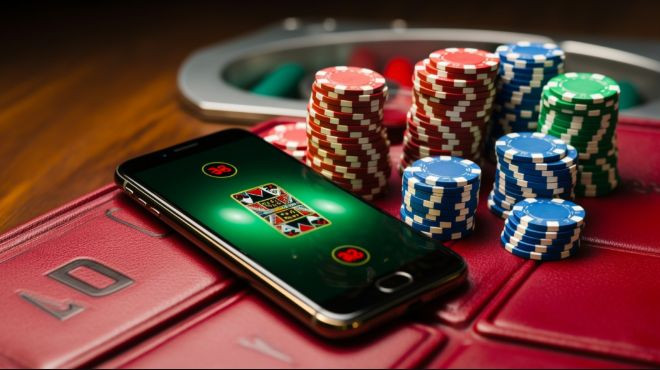
Additionally, casinos frequently exploit these biases through their marketing and game design strategies. Promotions that highlight winners or depict success stories create an environment where individuals feel that others like them can win. By showcasing these narratives, casinos tap into cognitive biases, encouraging players to engage without considering the mathematical realities of the games. This interplay between cognitive biases and casino strategies underscores the complex psychological landscape that defines gambling behavior, revealing how easily players can become ensnared in the cycle of betting.
The Social Dynamics of Gambling
The social context surrounding gambling can significantly influence an individual’s experience and behavior. Casinos are often vibrant social hubs where individuals gather to engage in games, celebrate wins, or console each other over losses. This communal atmosphere acts as a powerful motivator to gamble, as social interactions provide a sense of belonging and shared experience. Friends or family members participating in gambling can also sway one’s decision to gamble, with peer pressure or the desire to join in enhancing the urge to play. This social dynamic creates an environment where gambling is normalized and can lead to increased participation.
Apart from immediate social circles, the broader culture surrounding gambling also shapes psychological motivations. In many societies, gambling is glamorized and associated with notions of luck, success, and wealth. Media portrayals of casinos often highlight lavish lifestyles and big wins, further enticing individuals to engage in gambling. This societal impact can perpetuate stereotypes around gambling, fostering the idea that it is a shortcut to financial freedom. Such narratives can distort perceptions of risk and reward, leading individuals to underestimate the potential dangers associated with gambling.
Furthermore, understanding the social dynamics at play is critical for addressing issues like gambling addiction and promoting responsible gaming. Awareness of how social relationships and cultural narratives shape gambling behaviors can help in developing support systems for those struggling with addiction. Initiatives that foster healthy discussions around gambling and promote awareness of its risks can significantly alter how society perceives and engages with gambling activities. By creating an environment that emphasizes responsible gambling, it becomes increasingly feasible to mitigate the risks associated with it.
Emotional Impact and Coping Mechanisms
The emotional landscape of casino gambling is complex, with players experiencing a range of feelings from elation to despair. For many individuals, gambling serves as a coping mechanism for stress, anxiety, or other emotional challenges. The act of placing bets can provide an escape from everyday life, allowing individuals to immerse themselves in a world where they can temporarily forget their problems. This emotional refuge can lead to problematic gambling, as individuals may find themselves turning to casinos during times of distress, thus creating a harmful cycle that is difficult to break.

Additionally, when players experience significant wins, they often develop a strong emotional attachment to gambling. The high from winning can create a powerful association between gambling and positive feelings, which can be challenging to sever. Conversely, repeated losses can lead to feelings of shame, guilt, and frustration. These conflicting emotions complicate a player’s relationship with gambling, as they may struggle to balance the exhilaration of potential wins with the harsh reality of losses. This emotional turmoil can further entrench individuals in their gambling habits.
Recognizing the emotional triggers that lead individuals to gamble is essential for developing effective interventions and support systems. Therapies focusing on emotional regulation and coping strategies can help individuals confront the underlying issues contributing to their gambling behavior. By addressing these emotional aspects, it becomes possible to foster healthier relationships with gambling and mitigate the impact of negative emotions associated with gambling experiences. Creating support networks that encourage open discussions about these feelings can play a significant role in preventing compulsive gambling.
Understanding Casino Culture and Its Impact
The culture surrounding casinos is intricately linked to the psychology of gambling. Casinos are often designed to entice players to stay longer, with environments characterized by bright lights, enticing sounds, and a sense of vibrancy. This atmosphere is crafted to create a euphoric experience that can lead to extended play. Understanding this culture is crucial for players and those exploring the implications of casino gambling on individual behavior and societal views. The immersive environment not only attracts players but also helps normalize gambling as a leisure activity.
Moreover, the strategic placement of games, the design of the casino layout, and the marketing techniques employed all contribute to a culture that prioritizes gambling as a form of entertainment. This normalization can have profound psychological effects, making it challenging for individuals to recognize when their behavior might become problematic. The steady availability of gambling options can lead to increased participation and a desensitization to the potential risks associated with excessive gambling. This environment can perpetuate the cycle of gambling, where players continuously chase the next high without acknowledging the consequences.
As the culture of casinos continues to evolve, it is essential for discussions on responsible gaming and the importance of mental health to become integral parts of the conversation. By raising awareness about the psychological impacts of casino culture, stakeholders can foster a healthier environment for gamers. Initiatives aimed at educating players about the psychological aspects of gambling can empower individuals to make informed choices, encouraging responsible participation and reducing the incidence of gambling-related issues.

